

Three Numbers Pointing to a Blue Wave (with special guest David Nir of The Downballot)
From the desk of Bibek, Senior Digital Strategist
This week’s guest post comes from David Nir of The Downballot, and I’ll be honest, I’m a huge fan. If you want to understand what’s actually happening in elections below the top of the ticket, David is who you read. Take it away, David.
There’s so much noise, and not nearly enough signal, when it comes to figuring out what might happen in next month’s (!) midterms. But after closely studying elections for more than 20 years, there are a few metrics I’ve come to value—and all of them are pointing toward a major Democratic wave.

- Special elections. Since Donald Trump returned to the White House, Democratic candidates across the country have outperformed the presidential results in their districts by an average of 13 points.
- The generic congressional ballot. This question frequently asked by pollsters asks simply, will you vote for the Democrat or for the Republican for Congress this fall? My favorite aggregate has Democrats leading by 8 points.
- Primary turnout. Far more Americans voted in Democratic primaries than in Republican primaries this year. In a groundbreaking new analysis at my site, The Downballot, we showed that this disparity suggests a political environment that favors Democrats by 13 points this year.
To put things in perspective, Democrats won the national popular vote for the House in 2018—the last big “blue wave”—by 8.6 points. The measures above all suggest a similar landslide, and perhaps an even bigger one.
But as with everything in politics, there’s always uncertainty. There’s no such thing as an iron-clad forecast. That’s why smart campaigners never take anything for granted and always run through the tape as hard as they can.
So as we head down the final stretch, Democrats should be feeling the wind at their backs—but there’s always more work to be done.
Sincerely,
David Nir
💻UPCOMING LIVE TRAININGS
Collecting and Managing Voter Contact Data During GOTV
10.05
10 am PT
How to Have Successful Volunteer Recruitment Conversations
10.06
10 am PT
Explore upcoming events + trainings coming up this month.
NDTC Learner Spotlight
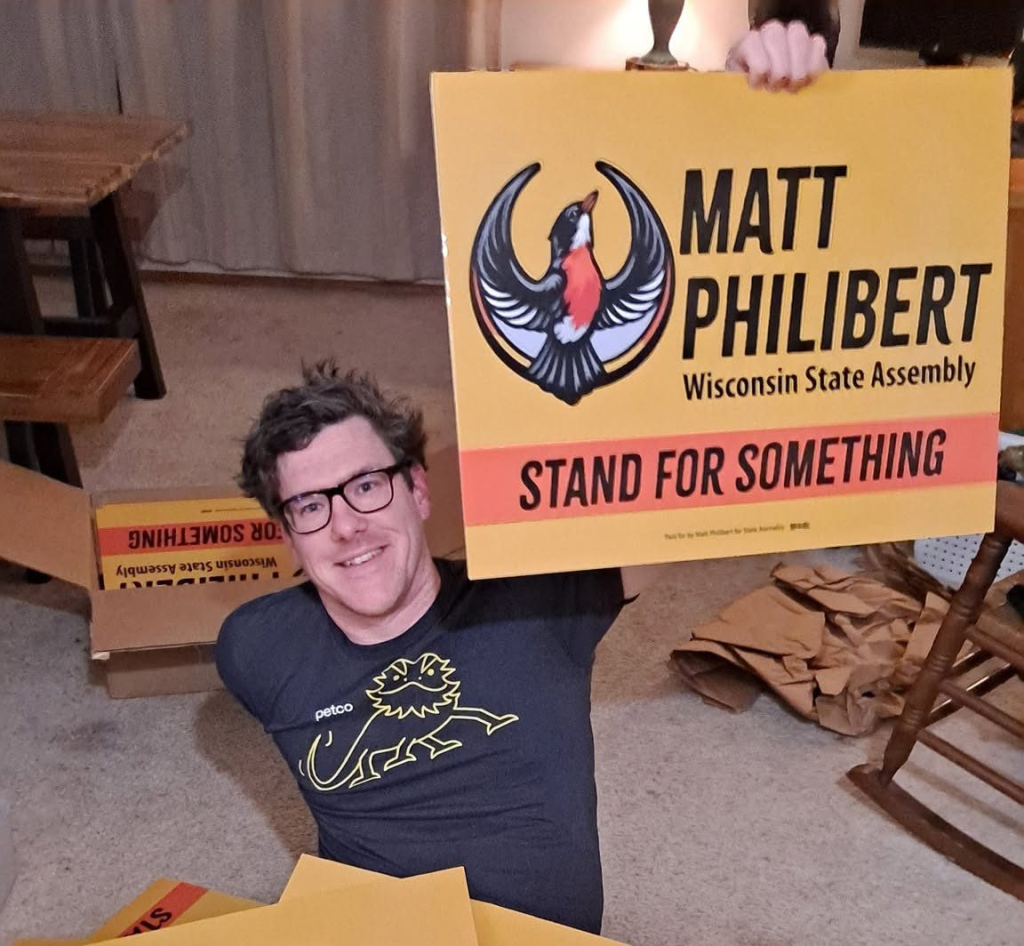
Matt Philibert is headed to the general election for Wisconsin State Assembly District 98. His theory of change is simple: the state level is where real change happens, so that’s where he’s running. He wants a Wisconsin government that works for its people, not just its billionaires, which in the current climate counts as a bold platform.
SUBSTACK
Your Campaign’s Legacy is Infrastructure
Win or lose, the lists, data, and relationships your campaign built can power your next race, your first term, or the next Democrat on your ballot. That only happens if someone plans for it before the campaign closes up shop. Start your handoff plan now, while your team is still in the building.
ICYMI
DTC for GOTV: A Campaign Resource
Your volunteers are the engine of your GOTV push, and they want to help you win. The best thing you can do for them is make sure they feel confident before they knock on a single door, so nobody spends their first shift figuring out the clipboard. That’s the idea behind our new resource.
THIS WEEK’S WINS
While the news may seem bleak, here’s what we can win when we organize and show up
California just made ballot interference a felony and made voter suppression easier to fight in court. With 80% of Californians voting by mail, the administration’s favorite target just got armor.
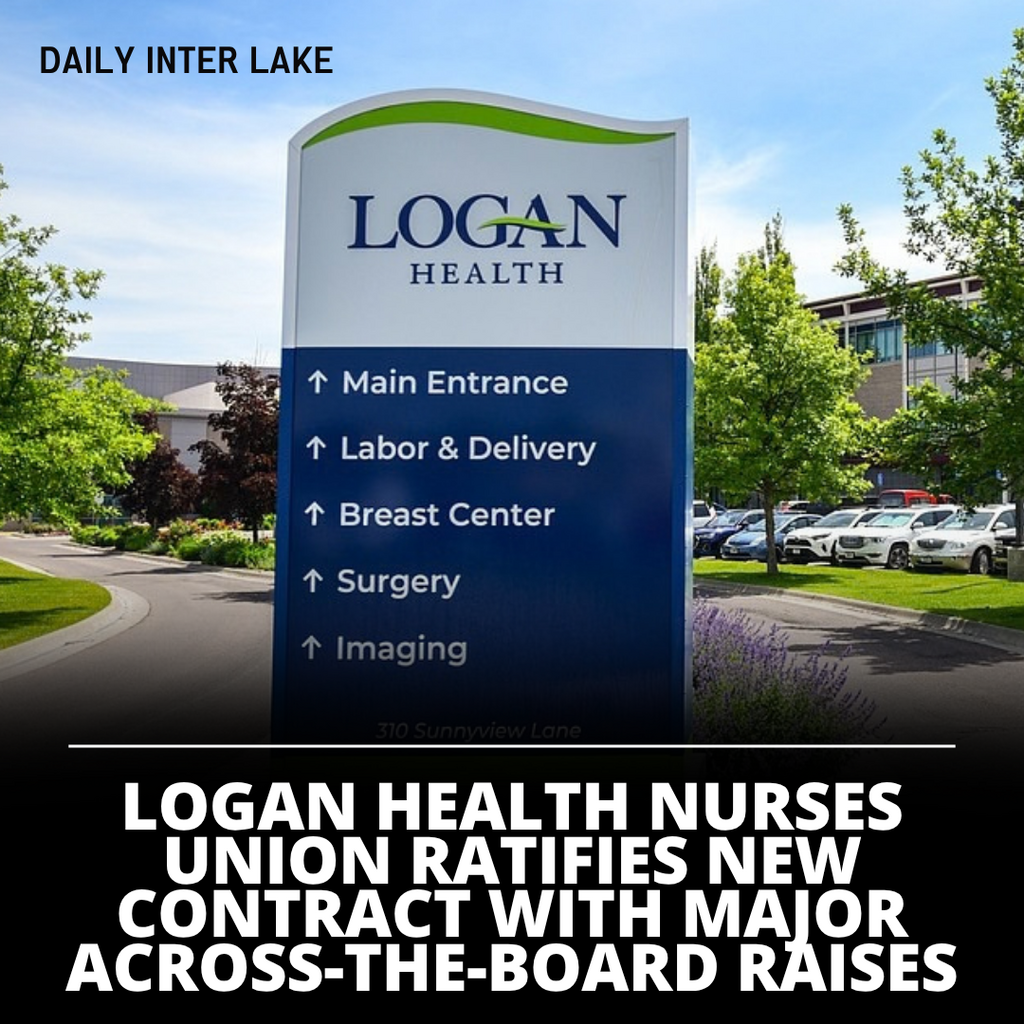
Nurses in Kalispell, MT led their own bargaining and locked in an 18% raise upfront. They closed the deal in four months, down from two and a half years for their first contract. You can’t get a clearer example of the power of organizing than this.
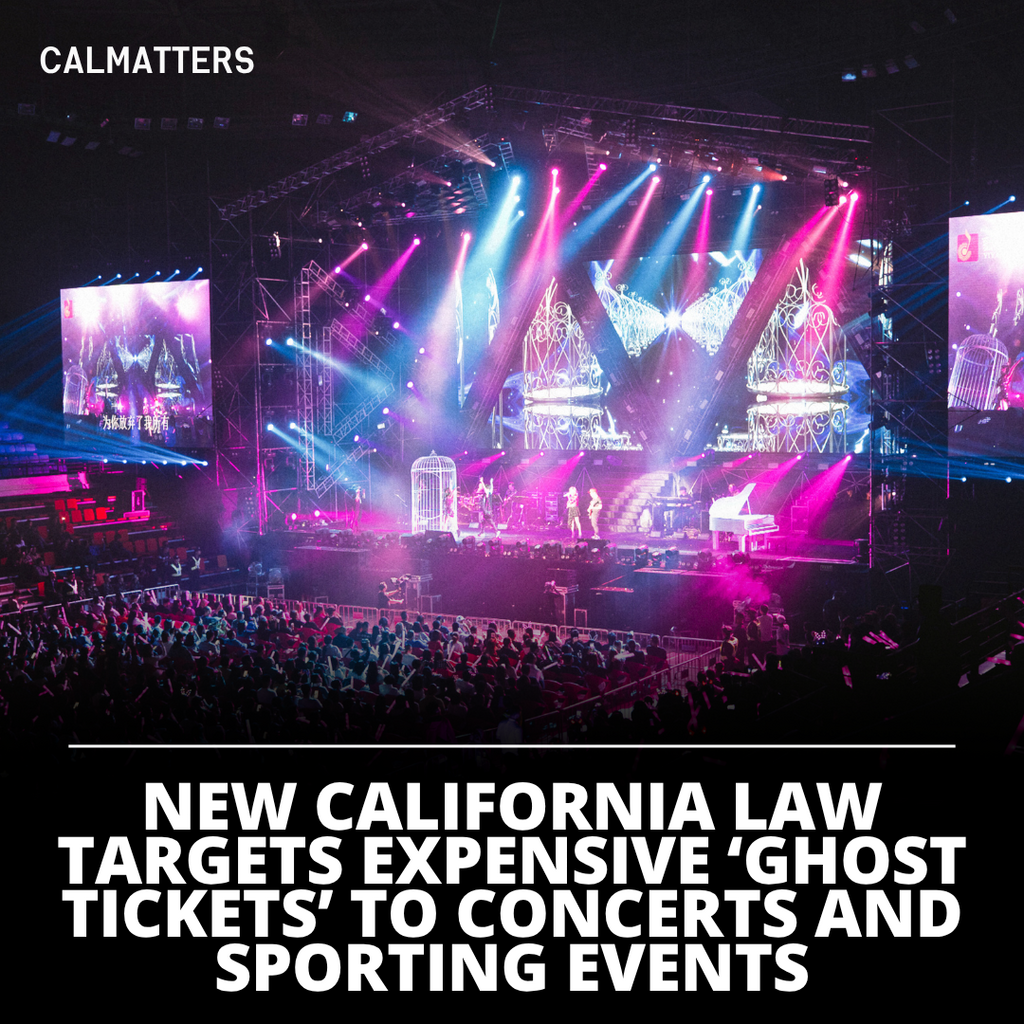
One assemblymember got gouged on Hollywood Bowl tickets and turned it into a state law banning the sale of tickets the seller doesn’t own. Now maybe more working class folks can hear what Taylor Swift’s Cleveland! actually sounds like live.
Follow us on social media and stay up to date with NDTC!


